

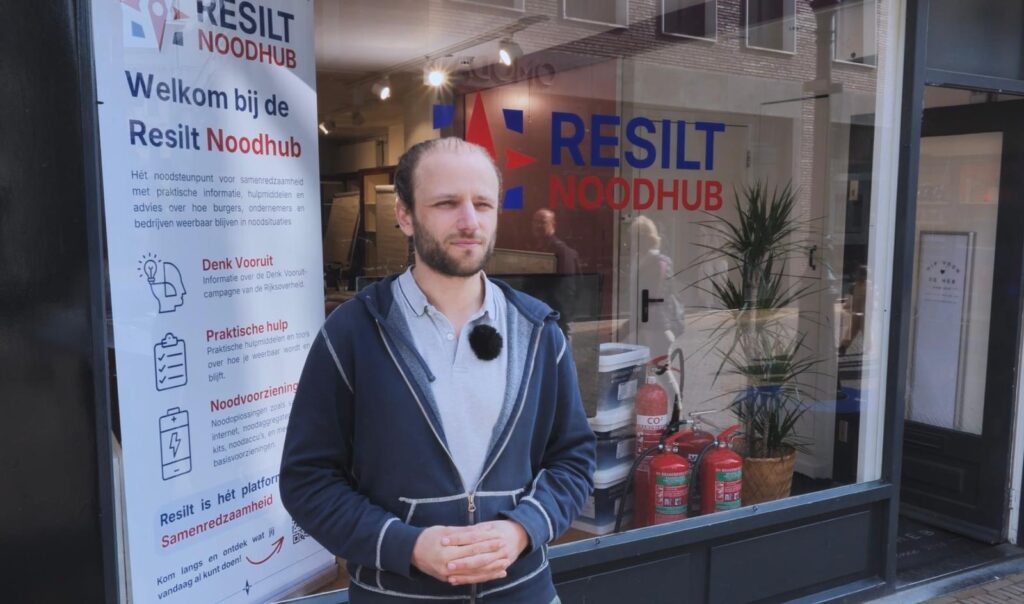
Emergency hub, area licence
Start an emergency hub in your area
A physical place where residents and businesses can go when power, internet, water or card payments fail. With the equipment, the Compass for the area and the app for everyone who lives or works there.
What is in an emergency hub
Based on the first emergency hub in Utrecht, opened on 11 May 2026. The exact set-up differs per area.
The area licence
One licence for the whole area
The emergency hub is not a stand-alone bunker. The licence connects the place to the platform, so the neighbourhood sees what is going on and knows where to go. The area licence starts at € 25 per operator per month, the Start plan of the Compass, cancellable monthly and with a 10 percent discount on an annual licence. The app stays free for everyone in the area; the hub's equipment is bought together with your partners.
The hub itself
Set-up, equipment and the agreements with the partners who run it.
The Compass for the area
The operators see which outages affect the area and send messages to the postcodes.
The app for everyone
Residents and businesses see the emergency hub on the map as a fallback, with opening hours and what is available.
A place in the network
Connected to the Huizen van Actief Burgerschap and the Chief Resilience Officers network.
How an emergency hub comes about
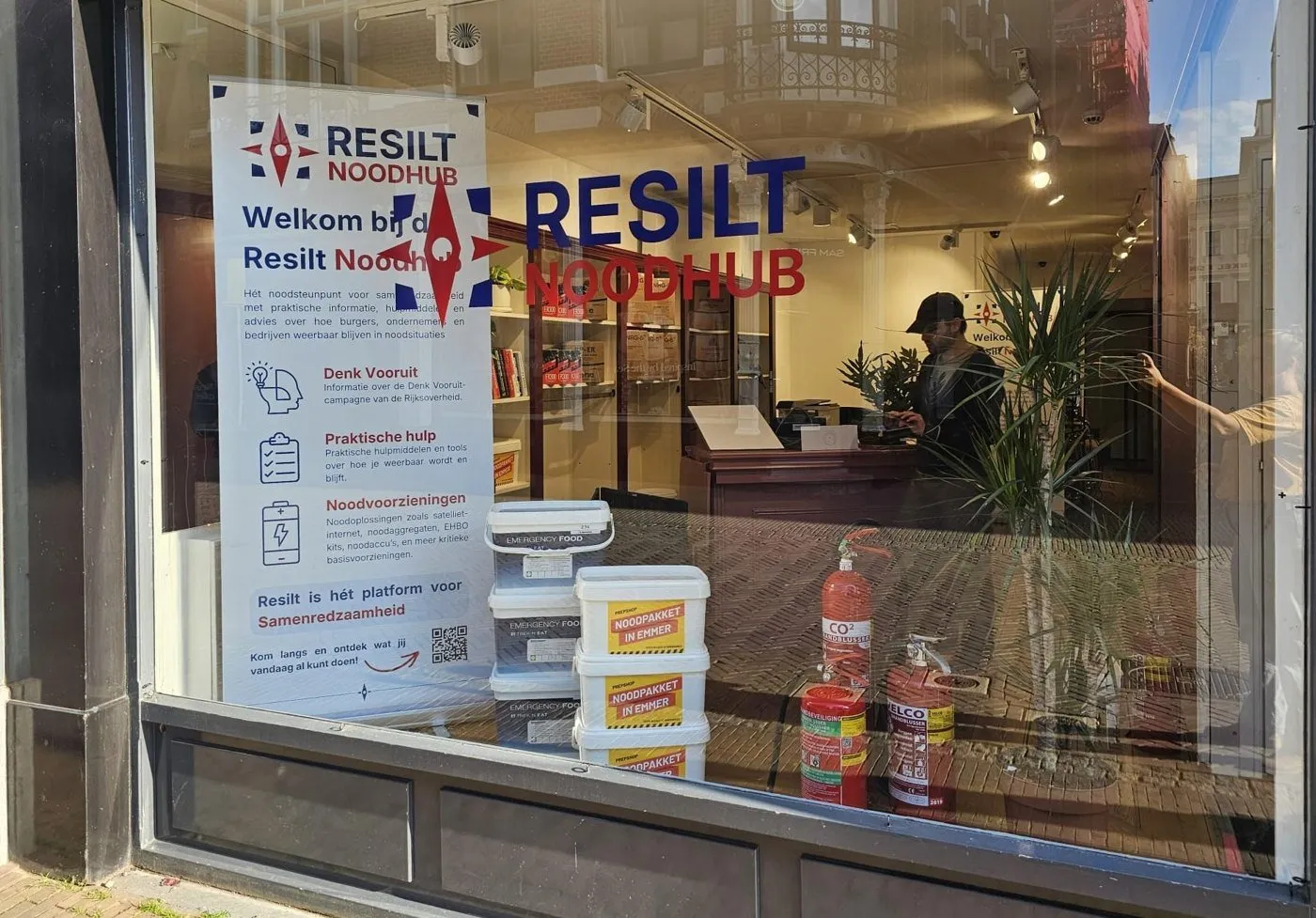
The area and the place
A municipality, neighbourhood, business park or business association chooses the place. Often that is an existing Huis van Actief Burgerschap, a give-away shop or a neighbourhood supermarket.
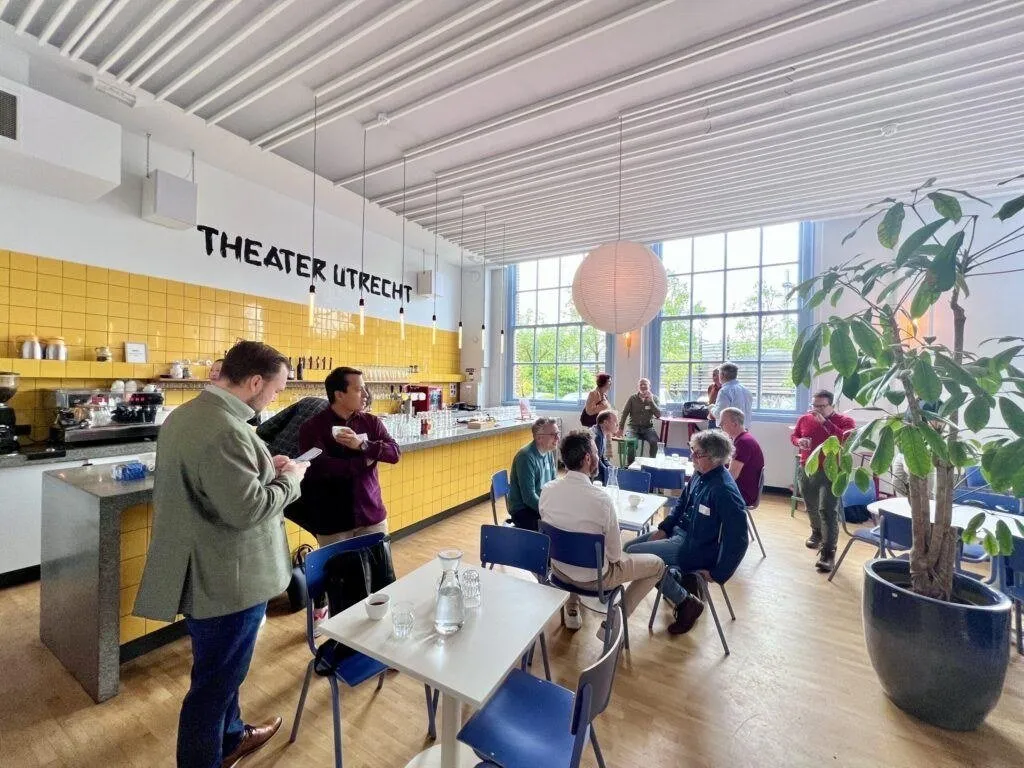
The partners
Together with local businesses and the municipality we decide what goes into the hub and who runs it. Buying collectively keeps the costs down.
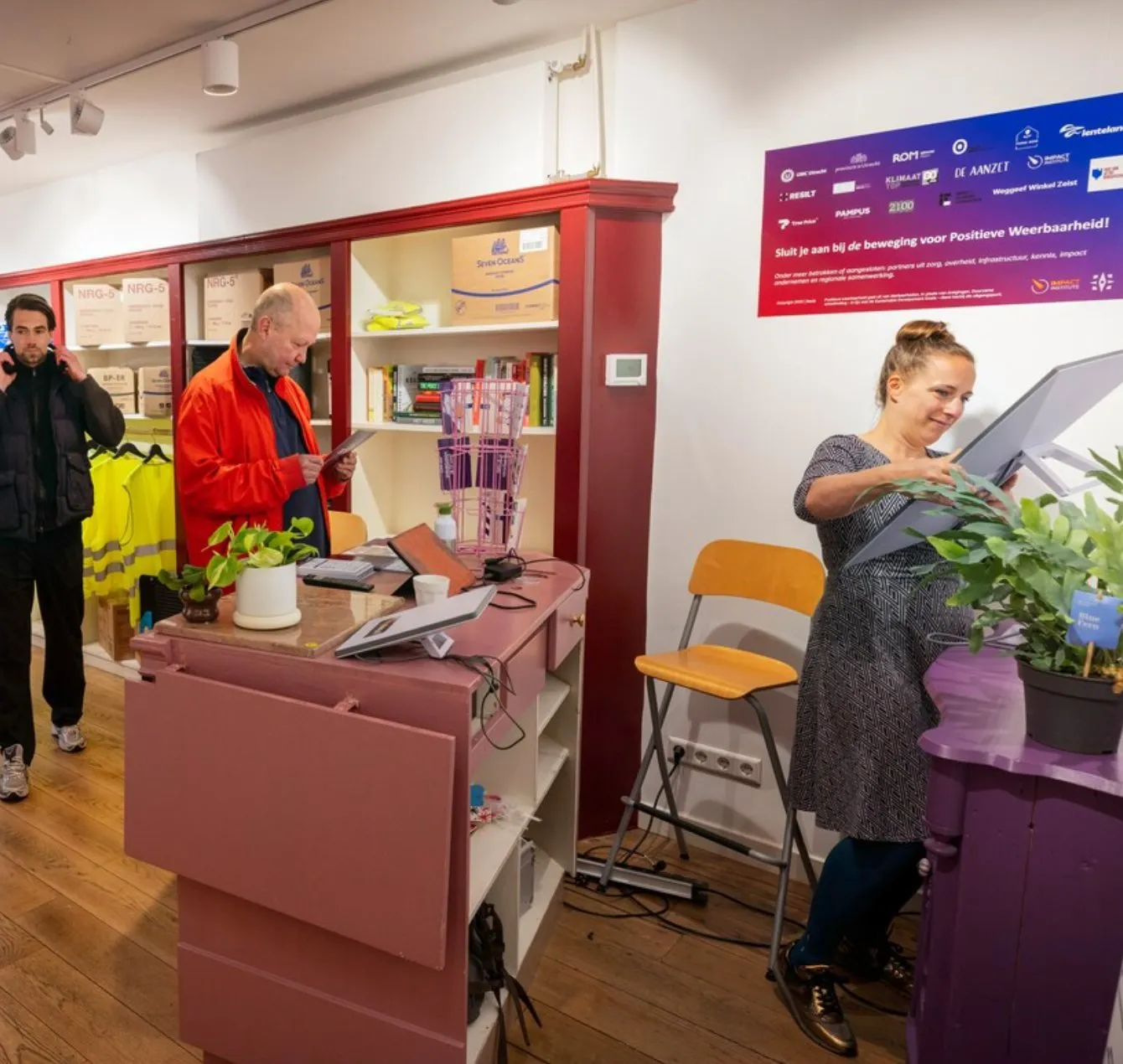
The opening
The emergency hub opens, appears in the app and on the map, and the area gets its Compass. From then on the network grows with it.
Emergency hub and emergency support point: linked, or separate
The Dutch government is building a national network of local emergency support points and regional coordination points together with municipalities and safety regions. In 2026 a national pilot runs with almost seventy municipalities in all 25 safety regions, carried out by the NIPV. The emergency hub is the area licence that connects to it.
The emergency hub is the support point
The municipality designates an existing place as the emergency support point and runs it with the area licence: connected households and facilities, alerts, a facilities map and a neighbourhood emergency plan. Dual use with the Houses of Active Citizenship.
Linked to the support point
The support point is the municipal place; emergency hubs of business associations, resident collectives and shops form the neighbourhood layer around it. The licence links them to the support point and the regional coordination point.
Separate from a support point
A business park, village or district without a support point: the emergency hub works independently with the same licence, app and Control Room, and connects later when the municipality opens a support point.
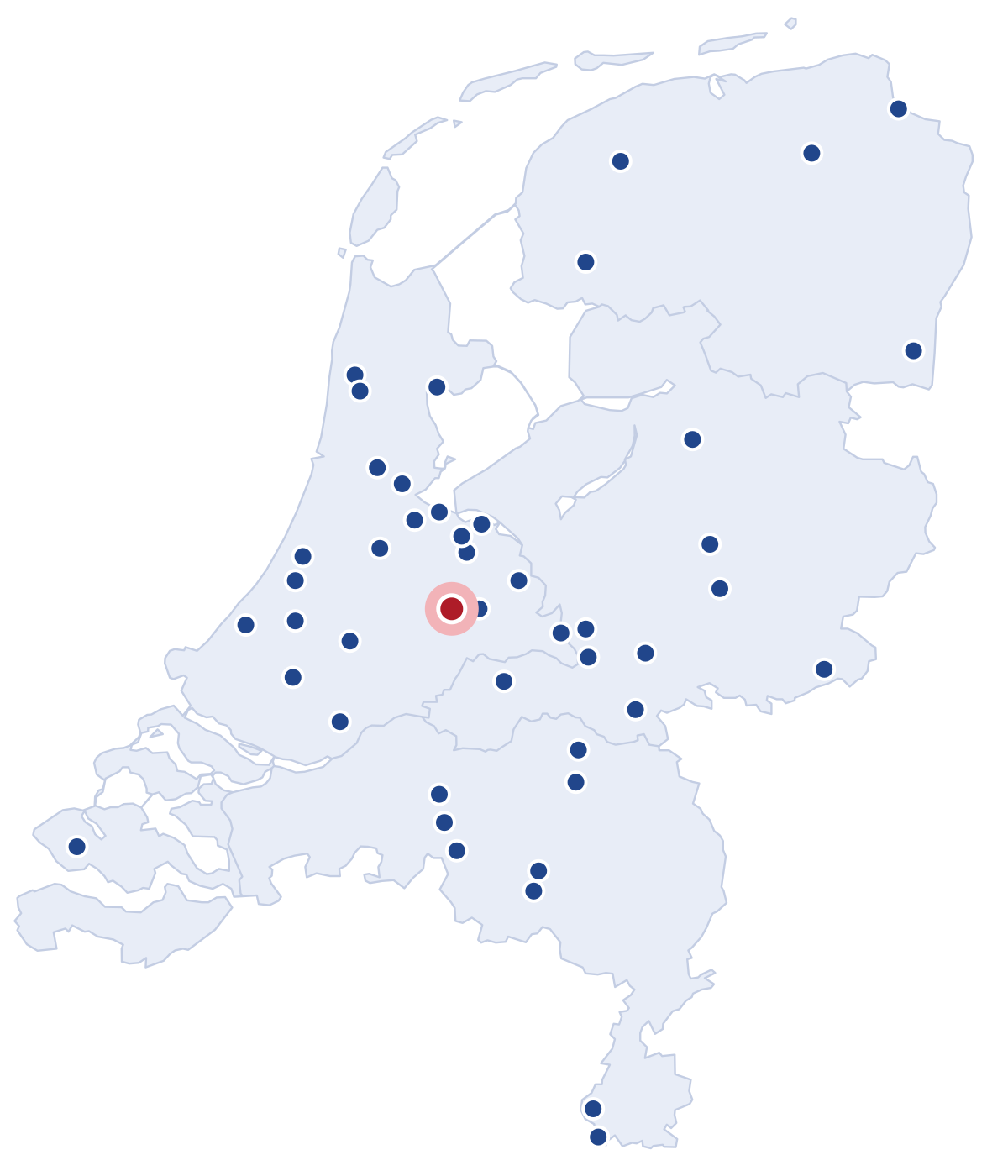

Together with the Huis van Actief Burgerschap
A place in the neighbourhood where people find each other, even when everything is down
In 46 places across the Netherlands, from Leeuwarden to Maastricht and from Eemsdelta to Middelburg, Huizen van Actief Burgerschap are active or being set up. That is where shared resilience starts: neighbours who know each other before things go wrong. The emergency hub is the next step: the same place, but with emergency power, emergency internet, water and first aid. The first one is in Utrecht.
Area licence
Start an emergency hub in your area
For a municipality, neighbourhood, business park or business association. The equipment, the Compass for the area and the app for everyone who lives or works there, in one licence.
Request a conversation
Tell us which area it concerns and who is involved. We show what an emergency hub means there. The licence starts at € 25 per operator per month; how many operators you need depends on the size of the area.