From Resource to Wesource™
Resilt helps businesses, organisations, institutions and communities become more resilient to systemic risks in the areas of nature, health, conflict and violence, and IT, infrastructure and communication.
Only together can we protect what we hold dear
Our core insight is that resilience to shocks requires working together. Resilt offers a participation platform for collective self-reliance. This is how we gain a grip on our dependencies, from water to wifi. Hence our slogan: From Resource to Wesource™. In a world of interdependencies, security does not come from owning or controlling everything yourself, but from understanding, preparing and acting together. Resilt makes that shift from resource to wesource concrete and workable.
Resilt uses data and technology, including AI, to provide insight and a clear course of action, always applied with a human touch. For each project, we work with interdisciplinary teams of freelance experts who use the Resilt approach to translate complex challenges into joint action.
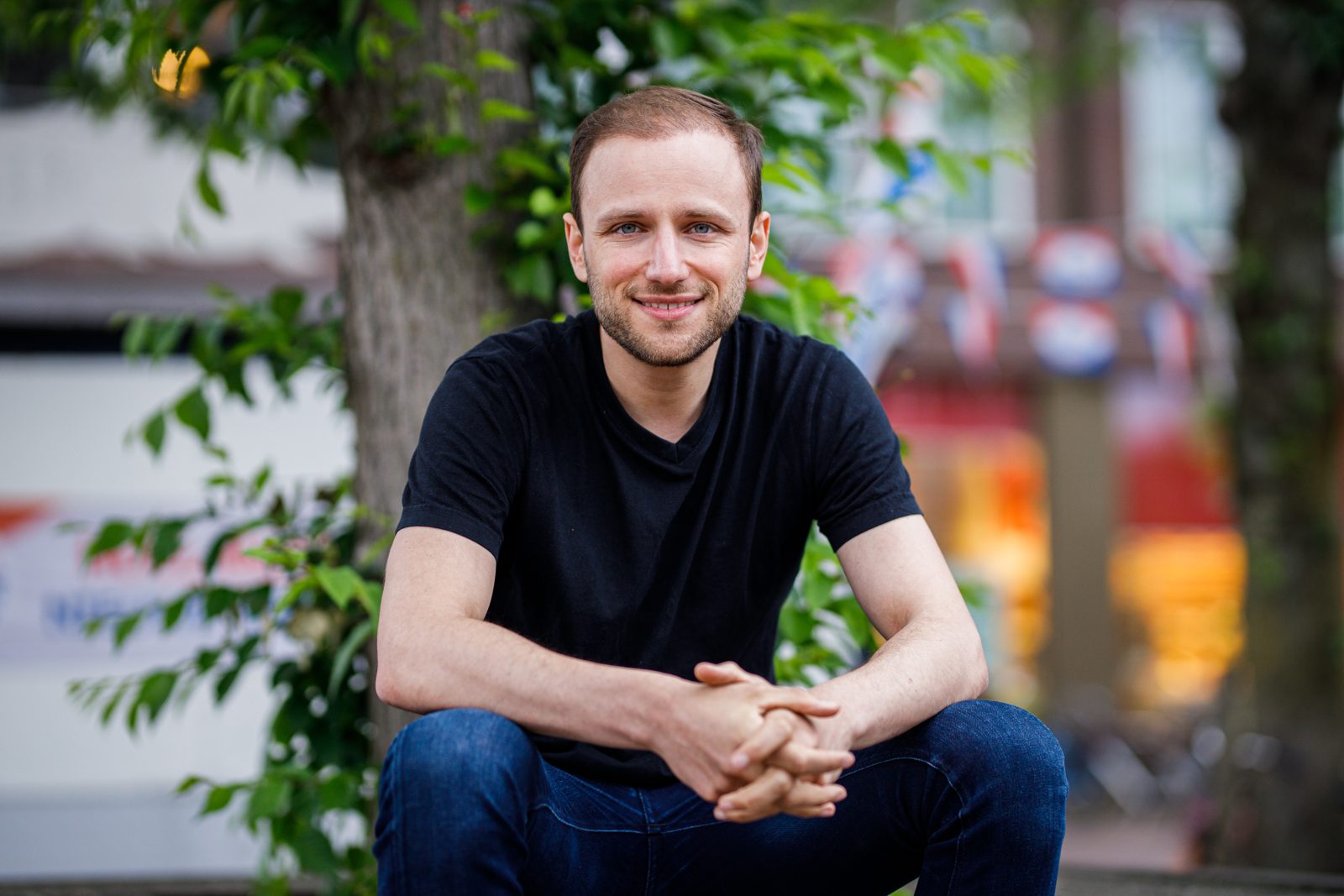
Resilt was founded by entrepreneur Michel Scholte, who together with Adrian de Groot Ruiz also co-founded True Price, Impact Institute and Impact Economy Foundation.
Our operating model for resilience
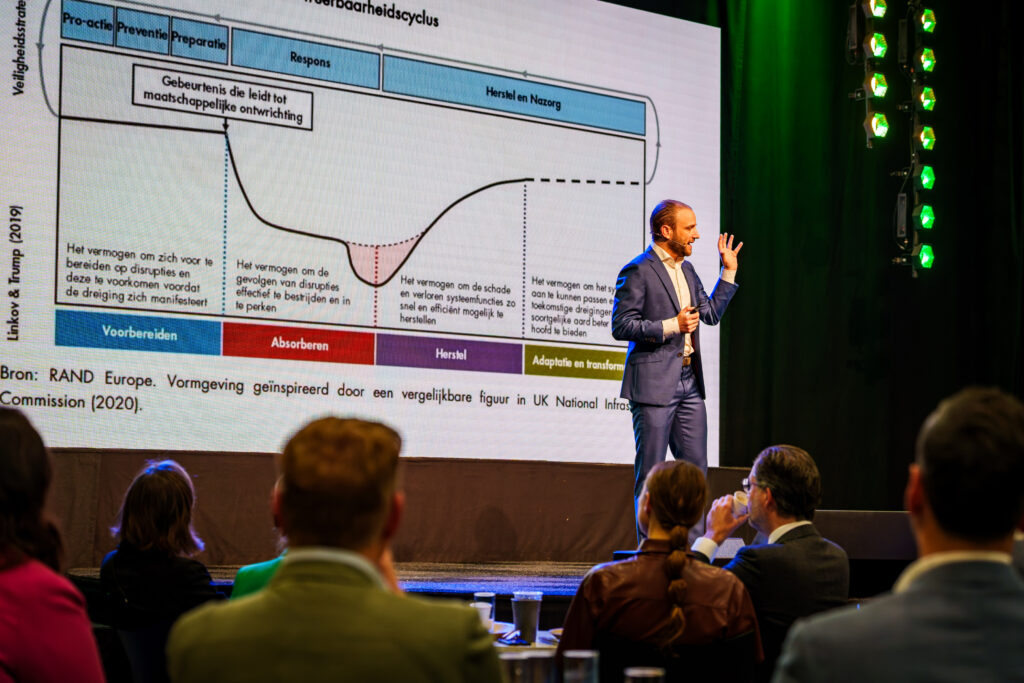
Resilt is building a digital and social operating system for resilience. With the five operations of the Resilience Compass, we become strong together:

I – Identify
Together we map critical dependencies for every street, neighbourhood and sector.

S – Signal
Share threats, vulnerabilities and local outage data via the Resilt portal.

A – Alert
Mutual aid agreements in neighbourhoods, shopping streets and business parks, signed and practised.

F – Fortify
Eliminate threats where possible and jointly build and maintain backups, supplies and emergency provisions.

E – Evaluate
Practise, learn and improve through e-learning, workshops and regional events.
Our team
The people behind Resilt. For each project, we also work with interdisciplinary teams of experts who work according to the Resilt approach.
Michel Scholte is the founder and CEO of Resilt and the author of the Resilience Compass. He makes resilience and collective self-reliance practical and accessible, from households to businesses and entire areas.
Advisory board
Our advisory board meets twice a year and advises the executive team on broad strategic lines.
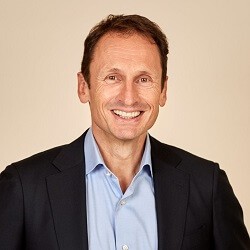
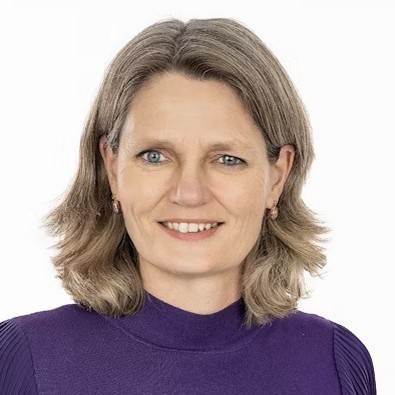

The members of the advisory board are involved in a personal capacity. Their role is advisory and non-binding: they hold no executive or supervisory position and bear no responsibility or liability for Resilt's decisions, operations or obligations.
Partners










Alignment with the EU and UN
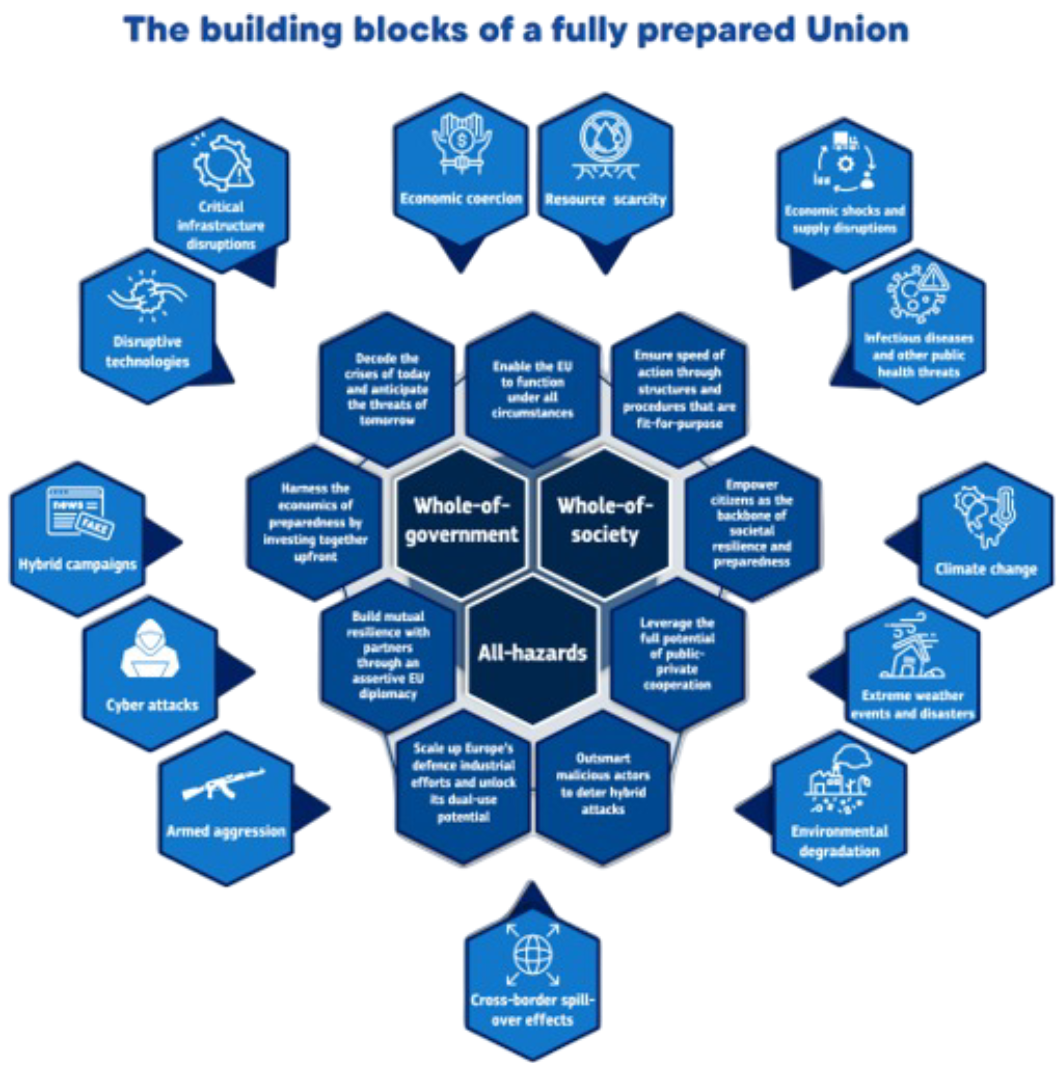
The EU has presented the Preparedness Union Strategy. EU policy builds on the Safer Together report by Sauli Niinistö, which presents an integrated vision of resilience.
On 18 March 2015, the UN adopted the Sendai Framework. The aim of this framework is to prevent new disaster risks and to reduce the impact of existing disasters.
All of these frameworks make clear that societal resilience requires an integrated, multidisciplinary and multi-stakeholder approach, from power outages to extreme weather and from food to mobility. A 'whole-of-government' and 'whole-of-society' approach covering all threats is essential.
With Resilt, residents, neighbourhoods, businesses, governments and institutions take the lead in working on resilience in an integrated way, from the bottom up.