
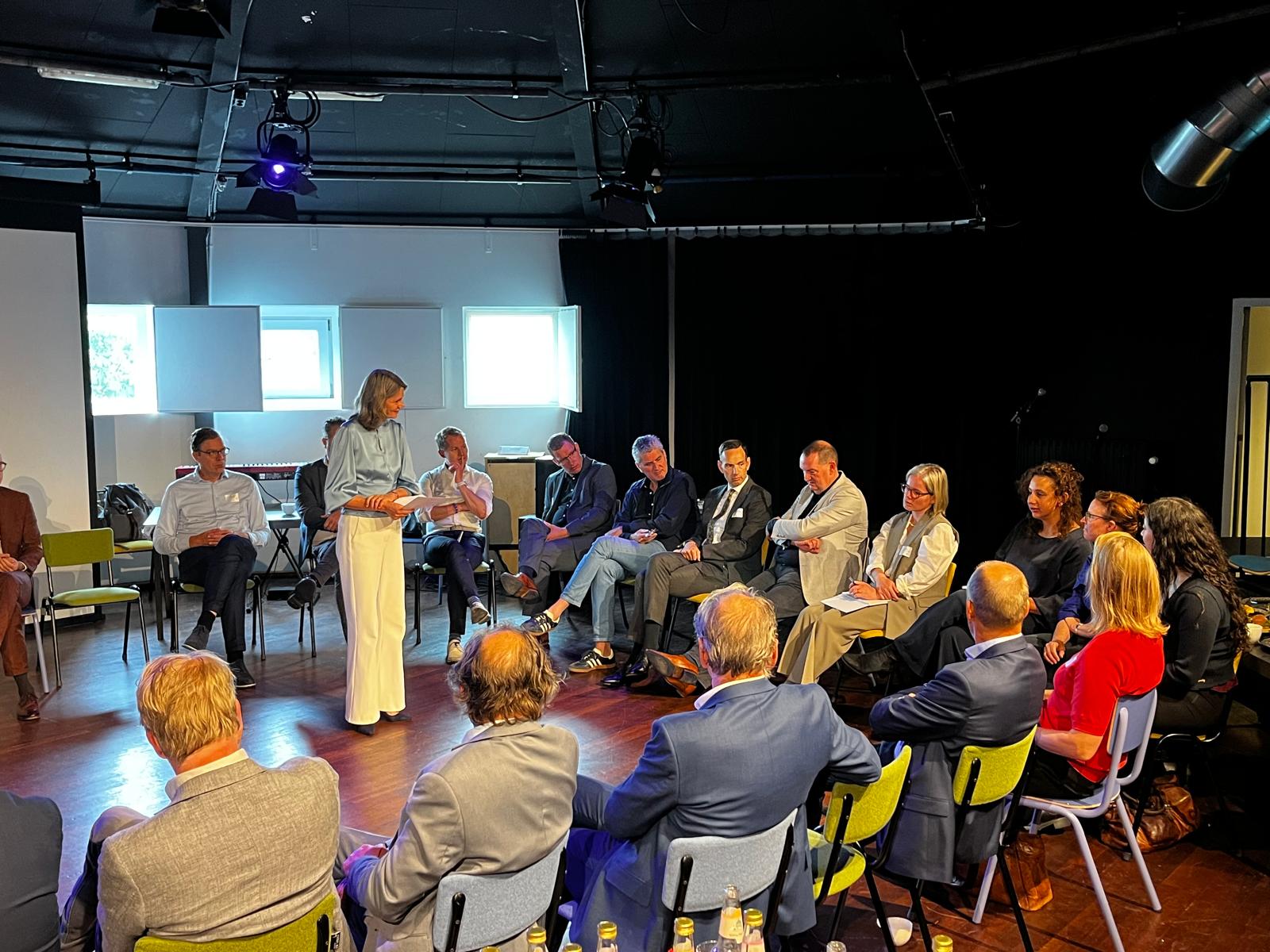
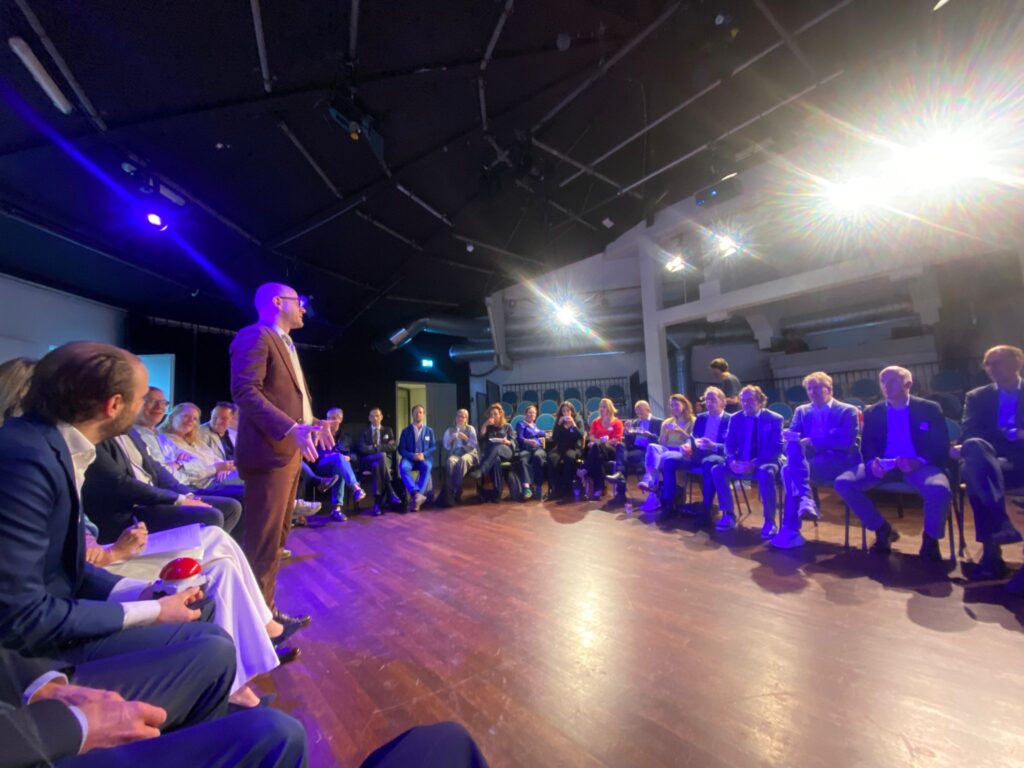
Utrecht, 12 June 2026. What happens when water, power, card payments, supplies or internet temporarily fail? And how do we make sure households, business owners and care providers do not each have to improvise on their own? On Friday 12 June, around 40 executives and 150 representatives of governments, drinking water and grid companies, healthcare institutions, knowledge institutions, businesses, SMEs and retailers, residents' organisations and communities gathered in Theater Utrecht for the National Resilience Conference, organised by Resilt. One central question ran through the whole day: how do we organise collective self-reliance before disruption strikes?
Resilience is high on the national agenda, but practical implementation often still has to begin. Recent disruptions in the drinking water supply, concerns about energy and gas infrastructure, and vulnerabilities around supplies and payment systems, think of empty shelves when deliveries falter or a shop that cannot sell anything when card payments fail, make clear how close that vulnerability is. Business owners in particular are hit directly the moment basic services fail.
The conference made that task concrete. Not only: what should a household have at home for 72 hours? But also: which products are truly critical in a supermarket? How does care remain accessible? How much cash is needed when card payments do not work? Where do residents get reliable outage information? And how can water companies, grid operators, healthcare institutions, municipalities, business owners and residents strengthen each other?
"Self-reliance is important, but not enough," says Michel Scholte, initiator of the conference and CEO of Resilt. "A resident can stock up on water and food, but if information is missing, card payments do not work or vulnerable neighbours cannot be reached, you need each other. Resilience only becomes practical when households, business owners, vital service providers and governments make agreements together."
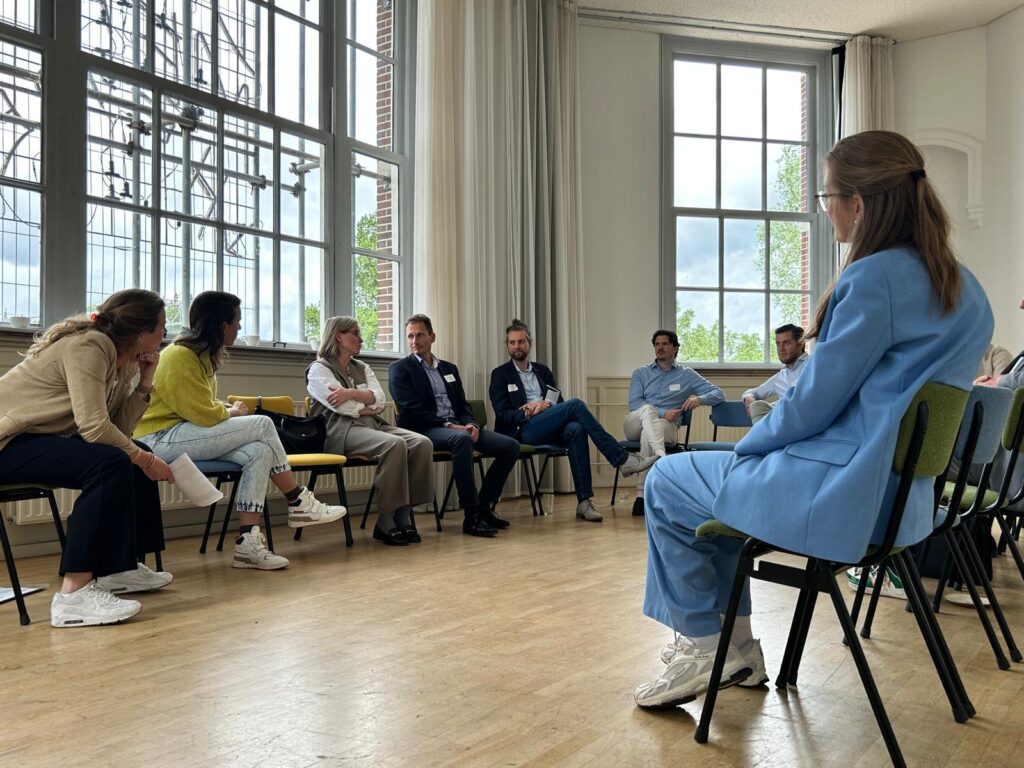
The day started with an executive roundtable, followed by a plenary programme and break-out sessions in which participants worked on concrete action cards: which dependencies are critical, which disruptions are conceivable, and which measures are needed? The Utrecht neighbourhood Universiteitskwartier served as a concrete testing ground, a case study producing building blocks that can also be applied in other municipalities.
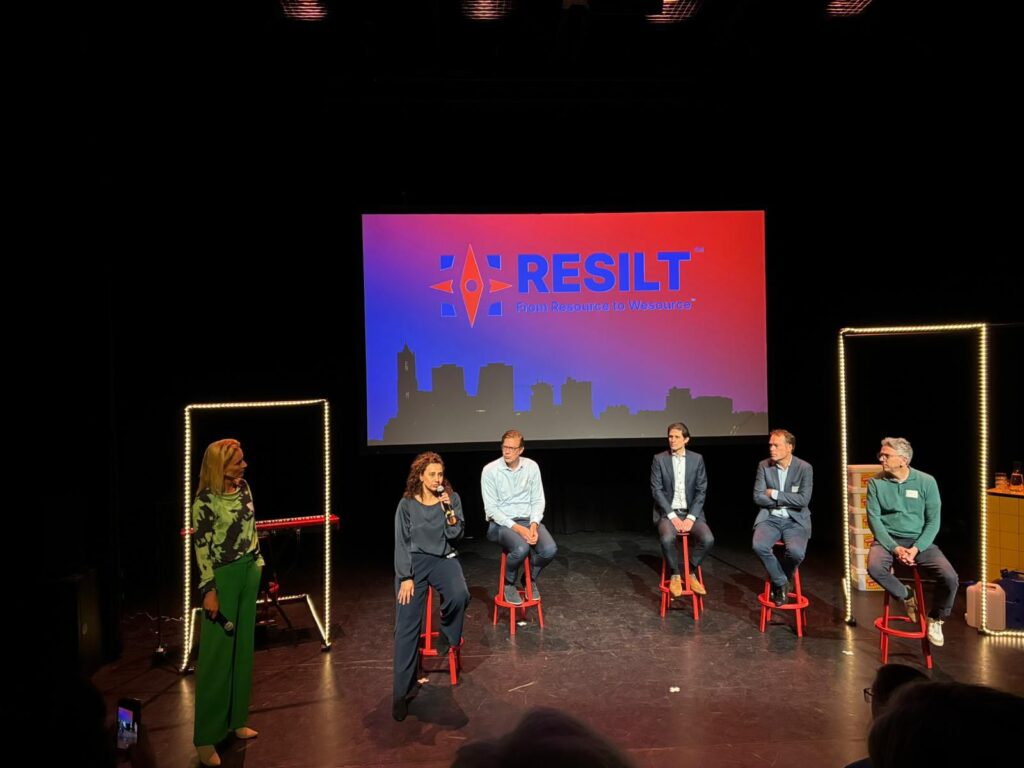
Organisations involved in the conference included UMC Utrecht, Alliander, Vitens, a.s.r., the Province of Utrecht, the Municipality of Utrecht, Rabobank, ROM Utrecht Region, HDSR, Lenteland, Chapter Zero Nederland, Impact Economy Foundation, True Price and Resilt.
What happens next
We are taking the outcomes of this day forward as a rolling agenda for the Noodhub. Together with the domain leads, partners and everyone involved, we are working on implementing the concrete actions identified during the sessions. This way it does not remain a one-off gathering; step by step, we are building a more resilient region.
Photos and video
View the photos of the day here.
Stay involved: become a member of Resilt
Would you like to stay informed about the next steps and help build collective self-reliance? Become a member of Resilt free of charge. We will keep you posted on progress and new steps.